
NATIONAL WOODIE WAGON DAY
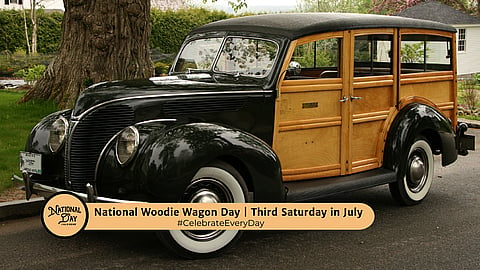
Fast Facts
- WHEN
- Celebrated on the third Saturday in July every year
- WHAT
- Celebrates the classic automotive icon known as the Woodie Wagon
- STAT
- Classic car enthusiasts estimate there is likely less than tens of thousands Woodie Wagons worldwide
NATIONAL WOODIE WAGON DAY
National Woodie Wagon Day on the third Saturday in July celebrates the classic automotive icon that defined an era of craftsmanship, family road trips, and surf culture. These wood-paneled vehicles transitioned from utilitarian workhorses to highly collectible symbols of Americana. Today, we honor the history, the owners, and the restoration enthusiasts who keep these rolling pieces of art on the road.
#WoodieWagonDay
The origin of the Woodie wagon dates back to the early 20th century. During the 1910s and 1920s, car manufacturers built only the chassis and mechanical components of a vehicle. Buyers would then commission local craftsmen or custom body shops to build the wooden passenger compartments. The Woodie Wagon was mostly used to carry passengers and heavy luggage from train depots to local resorts and hotels because of how spacious they were.
By the late 1920s and 1930s, major automakers like Ford and Chrysler began mass producing the Woodie Wagon because of popularity of the vehicle. To meet demand, Henry Ford purchased his own massive timberlands in Iron Mountain, Michigan, to supply the high-quality maple and birch needed for Ford's iconic station wagons.
During the 1930s and 1940s, the Woodie Wagon was a definitive status symbol among the elite. They were expensive to manufacture, requiring highly skilled woodwork and intensive labor that put them out of reach for the average buyer.
Did you know?
Termites were one of the biggest maintenance issues for Woodie Wagon owners because early Woodies were made of real maple, birch, and mahogany. The car owners biggest worry--termites and wood rot.
High maintenance costs, using real wood, and vehicle depreciation forced automakers to phase out the Woodie Wagon in the 1950s. A decade later, the vehicles found new life among California during the 1960s. The Woodie quickly became permanently intertwined with surf music, beach culture, and the American West Coast lifestyle.
HOW TO OBSERVE NATIONAL WOODIE WAGON DAY
-
Attend a Car Show: Look for a local Woodies at a classic car meetup in your area. Owners love sharing the intricate details of their vehicle's woodwork and restoration journey.
-
Take a Road Trip: If you are lucky enough to own a Woodie, or even a modern station wagon, pack up the family, hit the open road, and capture the nostalgia of the classic American vacation.
-
Learn the History: Spend some time learning the history behind Woodie Wagon. How much did a Woodie cost in the 1910s and what is the value in today's market? How many were made back then and how many exist today?
-
Share Your Photos: Dust off vintage family photos featuring an old station wagon, or take a picture of a Woodie you spot out on the road.
-
Share: Post on social media by sharing your favorite models, restoration tips, or classic car memories using the hashtag #WoodieWagonDay to share.
NATIONAL WOODIE WAGON DAY HISTORY
National Woodie Wagon Day was founded to celebrate the unique heritage of wooden-bodied vehicles and to support the community of enthusiasts dedicated to preserving them. The day is traditionally celebrated on the third Saturday in July, aligning with major summer automotive showcases and coastal beach gatherings across the country.